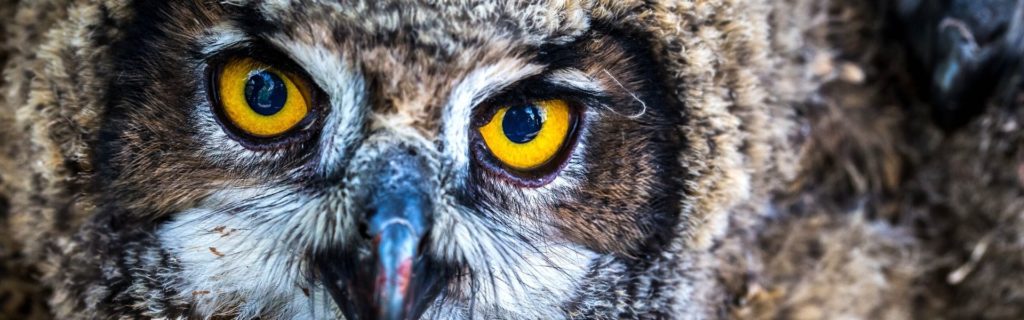
Native fauna workshop – Natural sciences with real animals
Ideal for school projects in biology, ecology and environmental education.
Discover the most representative species of our country with a complete natural science workshop that connects theory and reality. For two hours, students will learn by observing, asking questions and reflecting on Catalan biodiversity.
What does the workshop consist of?
The native fauna workshop connects the theory of natural sciences with direct experience. It takes place in the classroom or gymnasium of the center and combines observation, contact with animals and scientific explanations adapted to the educational level.
During the activity, students have the opportunity to:
- Get to know up to 15 native species of Catalonia (birds, mammals and reptiles).
- Touch, feed or compare some animals under the supervision of educators.
- Ask questions, formulate hypotheses and share observations.
- Discover adaptations, food chains and ecological relationships between predators, prey and scavengers.
The pace is leisurely and participatory, encouraging active learning, scientific curiosity and respect for the natural environment.
Educational objectives and values of the native fauna workshop
Biodiversity
Understand biodiversity and the relationships between species.
Native and exotic animals
Differentiate between native, exotic and invasive animals.

Critical thinking
Develop scientific and critical thinking.

Empathy and respect
Promote empathy, respect and environmental responsibility.

Biology and ecology
Apply biology and ecology concepts in a practical way.
Adaptation by age
| Educational level | Pedagogical approach | Types of learning |
| Nursery school | Activity too complex for this stage. | |
| Primary Education | Introduction to biodiversity and observation of representative species. | Observational and participatory. |
| Secondary education | Deeper study of ecology and conservation. | Analytical and reflective. |
| Formative Cycles | Practical application in biology and the environment. | Scientific and critical. |
Development and logistics of the native fauna workshop
- Duration: 2 hours
- Space: classroom or gym.
- Number of species: up to 15 real animals.
- The activity allows students to ask questions and share hypotheses, with an educator guiding each reflection.
- It optionally includes a complementary educational booklet to work on the concepts before or after the activity, facilitating the continuity of the project in the classroom.
- The workshop can also be held at school camps within the Catalan territory.
- Consult the Practical Information to find out about space requirements, prices and conditions for wildlife activities.
Educational skills worked on
- Scientific and naturalistic competence.
- Social and civic competence.
- Competence to learn how to learn.
- Communicative and expressive competence.
Emotional and environmental impact
This workshop awakens real environmental awareness. Students connect with animals that have been rescued and understand the human impact on nature. The emotions generated during direct contact are transformed into reflection and ecological commitment.
Native animals participating in the native fauna workshop
Students learn about various species that live in Catalonia. Each one represents an adaptation and a key role in nature, and helps to understand the biodiversity of our country.

Steppe eagle
representa els grans depredadors en perill d’extinció.

Peregrine falcon
shows how speed and vision are key adaptations for hunting.

Kestrel
teaches hunting and rodent control techniques.

Harris Hawk
helps students understand the difference between exotic and invasive fauna
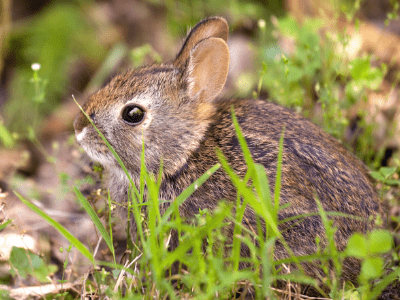
European rabbit
It allows us to talk about the prey within the food chain and the ecological balance.

Ferret
shows the difference between wild and domesticated animals.

Genet
An animal introduced by people centuries ago that has now become a native species.

Greek tortoise
A protected native species that allows us to talk about conservation and Mediterranean habitats.
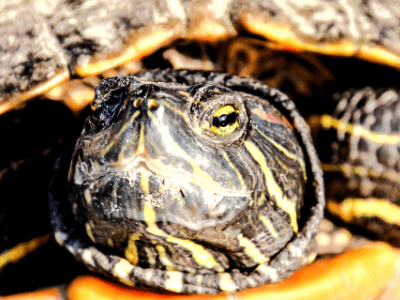
Red-eared slider
Invasive species that helps us understand the human impact on nature.
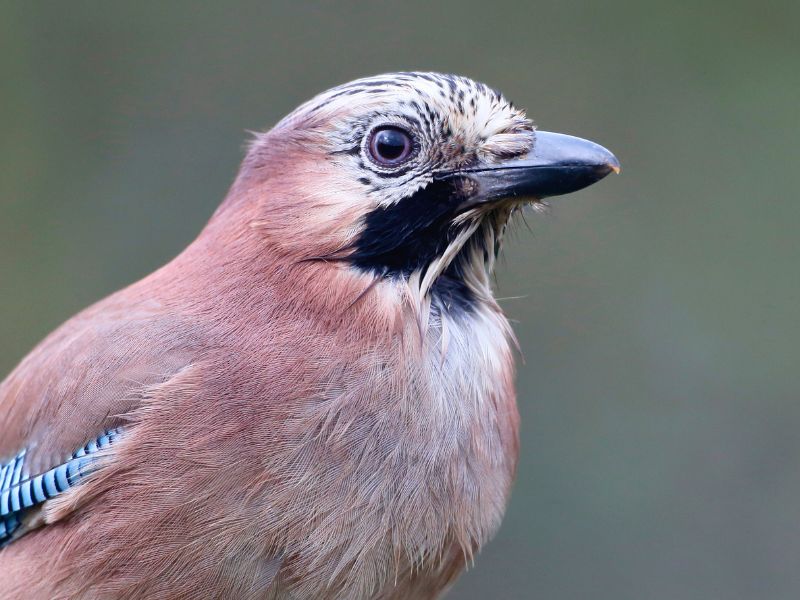
Jay
shows how native fauna helps maintain the balance of ecosystems.

Mallard
example of adaptation to aquatic environments and coexistence with human activity.
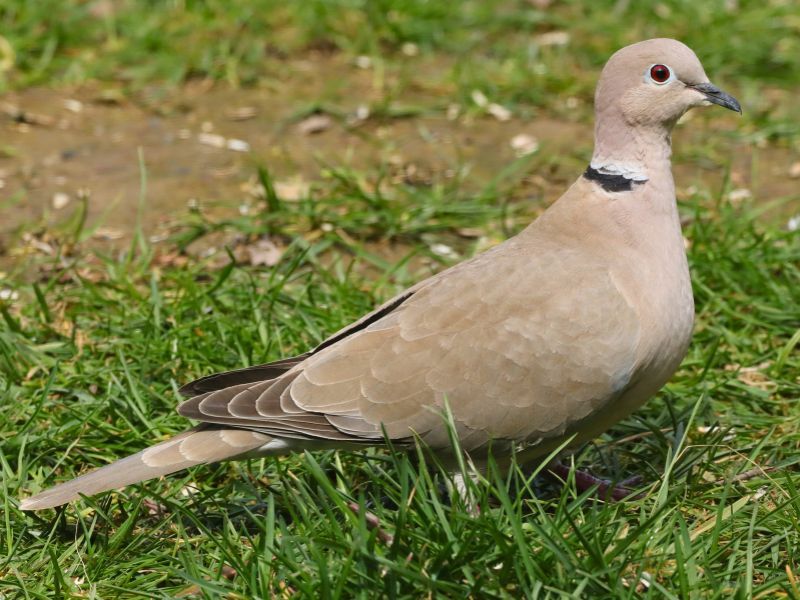
Collared dove
It helps us reflect on coexistence with wildlife in cities.

Long-eared owl
It allows you to discover communication between animals through sounds, posture and gaze.

Barn owl
species in a vulnerable state due to the use of poisons and pesticides in the field.

Little owl
It shows the importance of not always intervening with the young: it is necessary to know and respect nature.

Do you want your students to experience biology as a real-life experience?
Book the Native Fauna workshop and transform science class into an experience that will leave a mark.


