The Falcons Workshop
Workshop on birds of prey and food web for primary and secondary education: action, observation and learning.
The Falcons workshop places the peregrine falcon as a central element of learning. The fastest bird of prey on the planet helps students understand the food web and how species adapt to their habitat to survive.

What does the Falcons workshop consist of?
This workshop takes place in the classroom or gym of your center and combines:
- Observation of birds of prey in flight and at rest: some birds fly freely; others rest so that we can study their adaptations.
- Touch certain feathers or skins under supervision: so that students can perceive firsthand how they are adapted to the environment.
- Ask questions, formulate hypotheses and compare hunting and defense strategies: students engage in dialogue and think actively.
- Analyze the food web and the position of each species: predator, prey, adaptation and habitat explained clearly.
The pace is participatory, didactic and action-oriented: it is not just about knowing, but about understanding and transforming attitudes towards conservation.
Educational objectives and values of the Falcons workshop
Native wildlife
Get to know the birds of prey in our territory and understand why it is important to conserve them.
Food web and ecological relationships
Understand the importance of each species within the ecosystem.

Scientific curiosity
Observe, ask, discover adaptations and habits in order to learn actively.

Environmental responsibility
Promote respect and responsibility towards native fauna and its environment.

Adaptation for ages of the Falcons Workshop
| Educational level | Pedagogical approach | Types of learning |
| Nursery school | Not recommended. The activity may be too intense. | |
| Primary Education | Observation and participation to understand raptors, food webs and adaptations to the environment in an active and experiential way. | Observational and participatory |
| Secondary education and vocational training | Deepening the food web, adaptations, open habitats vs. forest, and hunting strategies. | Analytical and reflective |

Development and logistics of the native fauna workshop
- Duration: 1 hour designed to fit into a school session.
- Space: Classroom or school gym; we will prepare the space for safe observation of birds of prey.
- Number of participating species: 7 species selected to ensure visual and participatory learning.
- Activity structure: Students interact with birds of prey, observe adaptations to flight in open spaces and in the forest, analyze the food web and actively participate with the educators from the Zoo of the Pyrenees who guide the reflection.
- Educational Booklet: Optionally included — makes it easy to prepare the activity beforehand or continue it later in the classroom, incorporating the concepts of “prey-predator” and “adaptation to the environment”.
- Camps modality: Also available in youth camps in Catalonia, for an immersive experience.
- Requirements: See the “General Information” section for space requirements, hours, prices and wildlife safety regulations.

Educational skills worked on
- Scientific and naturalistic competence: delve deeper into raptors, prey-predator and adaptations to the environment.
- Social and civic competence: promote respect for native fauna and responsibility towards the ecosystem.
- Competence to learn how to learn: stimulate the formulation of questions, active observation and critical reflection.
- Communicative and expressive competence: expressing observations, debates and discoveries about birds of prey and food webs.

Emotional and environmental impact
The birds of prey we present impress with their fast flight and their wild nature: students will feel respect, admiration and empathy for these animals. Despite being predators, they also face real dangers: habitat loss, pollution and human threats. This experience transforms surprise into action — students understand that these birds need our protection and that every action counts to conserve native fauna.
Native animals participating in the Falcons Workshop
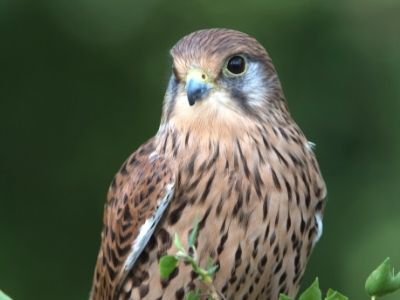
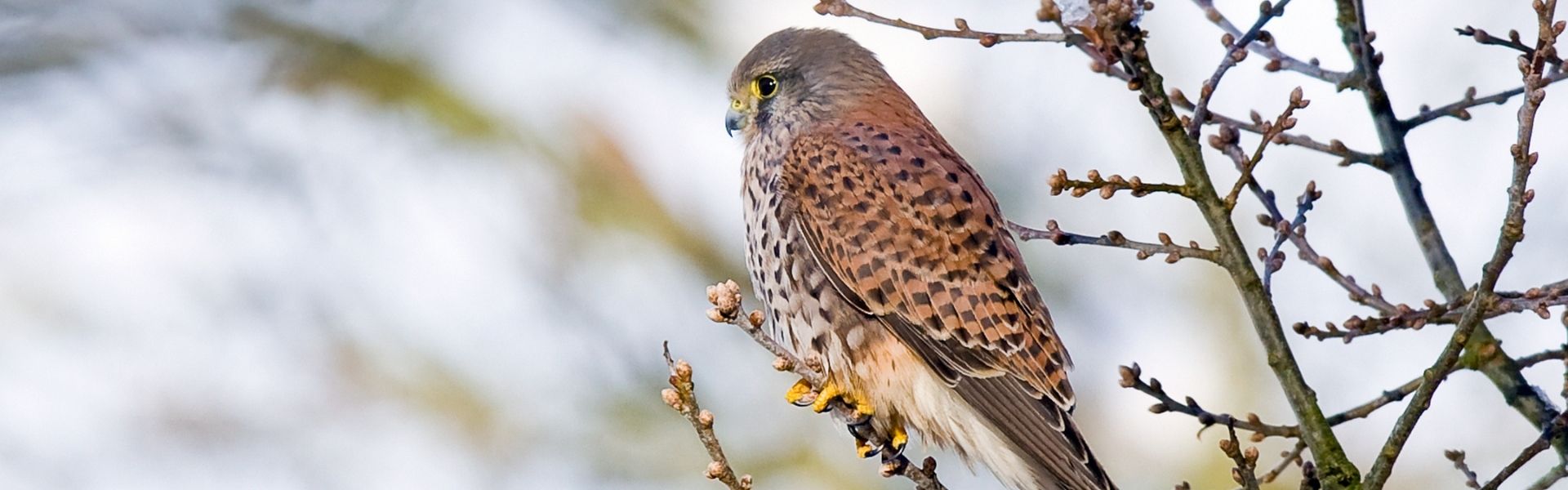
Kestrel
A bird of prey from the falcon family, specialized in hunting in the open field. Students observe how it applies techniques adapted to meadows and fields, and together we discover its role in the native fauna ecosystem.
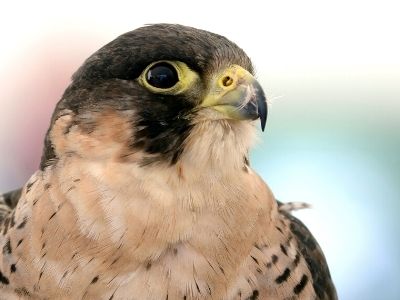
Peregrine falcon
One of the most impressive birds of prey: with high speed and excellent eyesight, it hunts in open, swooping flight. In this workshop, students analyze their adaptations and understand how birds of prey are part of a natural system.
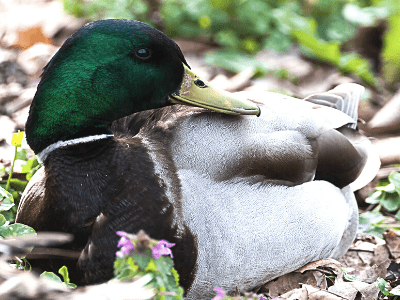
Mallard
Prey, adaptation and defense. Students see how this bird protects itself from attack and learn why a falcon can capture it. This way they understand the concept of prey and predator within the native ecosystem.

Pigeon
A common prey in our landscape that helps explain how the food web works and why falcons hunt in flight.

Rabbit
The European rabbit is a key species in the Mediterranean ecosystem. Students will identify why the rabbit serves as the base of the food web and at the same time understand why the peregrine falcon cannot capture it.
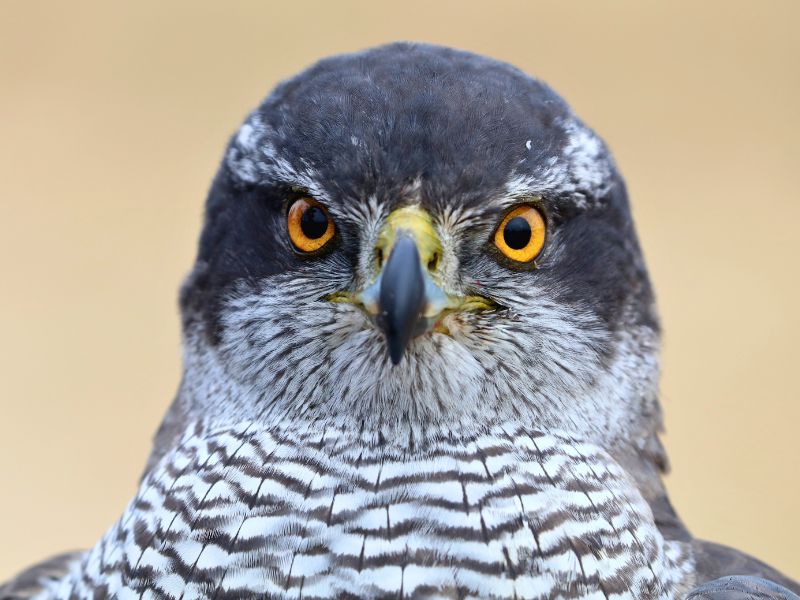
Goshawk
A bird of prey from the eagle family. It inhabits the forests of Catalonia. With it we compare the falcon family (open flight) and understand different adaptive strategies depending on the habitat.
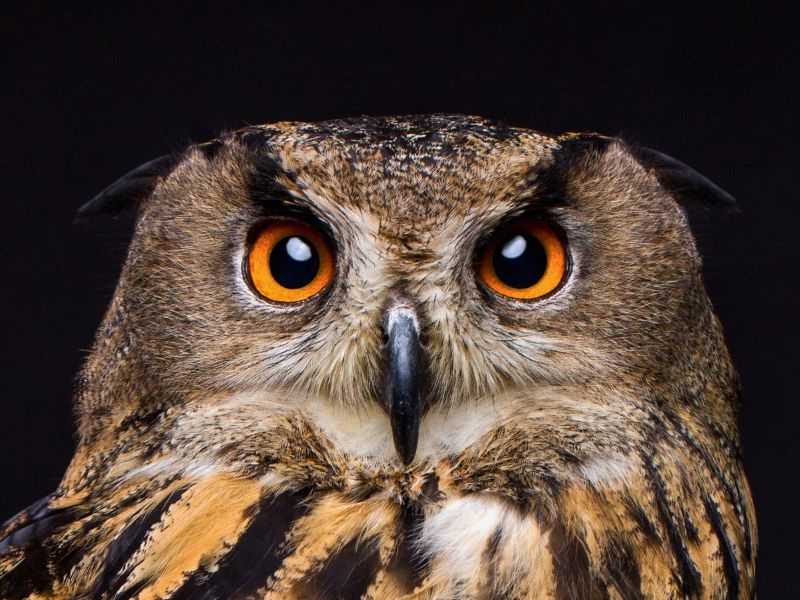
Eagle owl
A large, native nocturnal raptor that represents the top level in the ecosystem. This species allows students to understand the competition, balance, and relationships between raptors in our natural environment.
Transform the classroom into a living stage of birds of prey and a real food web. Book now and make a difference in your center.


